

You thought you were done. The tiny potties were put away, the celebratory dances were over, and then—out of nowhere—your child starts having accidents again. If this sounds familiar, you’re not alone. This is potty training regression, and while it can be frustrating, it’s a very common part of childhood development.
The good news? You’re not failing, and your child isn’t “going backward” forever. With understanding, patience, and a few practical strategies, you can guide your little one through this hurdle. This guide will help you understand the why behind regression, share actionable tips on how to handle it, and remind you that both you and your child are capable of navigating this with confidence.
1. Understanding the “Why”: Common Causes of Potty Training Regression
The first step to moving forward is figuring out what might be causing the setbacks. Let’s look at the most common reasons.
Normal Developmental Stages
It’s important to know that potty training regression 3 years old and potty training regression 4 years old are completely normal. At these ages, children are still mastering many new skills. A few steps backward in one area often mean growth in another.
Big Life Changes
Children thrive on routine, so changes can throw them off balance. Regression is common during big transitions, like:
- Potty training regression after new baby – Sometimes, a child reverts to younger behaviors to seek attention when a sibling arrives.
- Regression due to life changes (moving, new school, divorce) – A new home, a shift in family dynamics, or adjusting to a new school can overwhelm them.
- Daycare potty training regression – Different routines, caregivers, or peer dynamics can disrupt established habits.
Emotional and Physical Triggers
Children may also struggle with emotions or physical discomfort.
- Potty regression from anxiety or stress – Even seemingly small worries, like starting a new class, can manifest as accidents.
- Medical reasons for regression (constipation, UTI) – Discomfort or pain can make a child hesitant to use the potty.
- Poop regression potty training – Some children suddenly refuse to poop in the toilet. This can be linked to fear, constipation, or control struggles.
- Withholding poop during potty training – A child may hold it in to avoid the potty, which can worsen constipation and create a cycle.
Power Struggles
Sometimes, regression is simply about control. Power struggles and potty training often happen when a child realizes they can say “no” and influence their environment. Using the potty—or not—becomes their way of asserting independence.
2. A “Potty Training Reset”: Actionable Steps to Take
So what do you do when accidents come back? It may be time for a gentle reset.
Go Back to Basics
Think of it as a potty training reset—not a step backward, but a chance to reinforce skills.
- Reintroduce a consistent schedule for potty breaks.
- Use clear, simple language and positive reminders.
- Celebrate small wins without pressure.
Effective Solutions for Accidents
Accidents will happen—it’s part of the process. Here’s how to handle potty training accidents:
- Stay calm and avoid scolding.
- Gently remind them that next time, they can try the potty.
- Offer clean-up as part of the routine without shame.
Patience and Positive Reinforcement
Patience during potty training is your best tool. Kids sense frustration, which can add pressure. Instead, try:
- Positive reinforcement for potty training through praise or hugs.
- A sticker chart for potty training—a fun, visual way to track progress and celebrate successes.
Pull-Ups vs. Diapers
Some families consider going back to diapers/pull-ups during regression. This isn’t failure—it’s a practical choice in certain situations (like nighttime or long outings). The key is to use them as support, not a permanent step back.
Daytime vs. Nighttime
Remember, nighttime potty training regression is often separate from daytime success. Bladder control during sleep develops later, and it’s rarely something your child can control.
3. The Parent’s Role: Navigating the Emotional Rollercoaster
Regression doesn’t just affect kids—it’s hard on parents too.
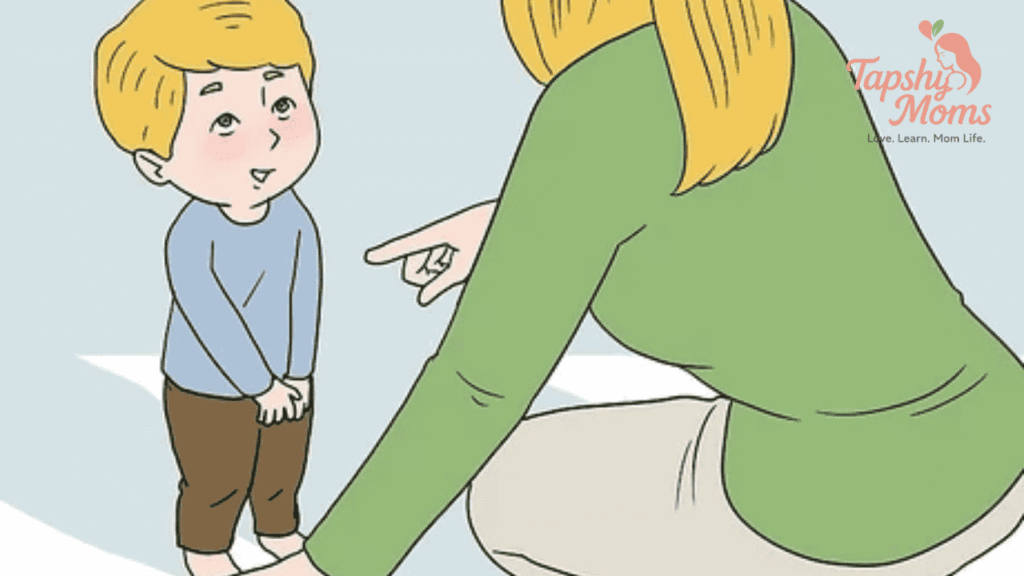
It’s Normal (and It’s Not a Failure)
One of the most common questions is: “Is potty training regression normal?” The answer is yes. It’s a phase many families go through, and it does not mean you’ve failed.
Finding Support
Lean on resources and your parenting community. Reading potty training regression advice from others can remind you that you’re not alone.
If you’re wondering when to seek help for potty training, trust your instincts. Reach out if regression is prolonged or paired with pain, severe anxiety, or other concerning behaviors.
Letting Go of Frustration
Feeling frustrated with potty training regression is normal. Give yourself permission to step back, breathe, and remember this is just one chapter in a long parenting journey. Self-compassion is just as important as patience with your child.
4. When to Seek Professional Help and Other Resources
How Long Is Too Long?
Parents often ask: “How long does potty training regression last?” In most cases, it resolves within a few weeks to a couple of months. If it stretches longer or seems to be worsening, it’s worth checking in with your pediatrician.
Signs It’s More Than a Phase
Reach out for help if you notice:
- Frequent painful urination (possible UTI).
- Severe constipation or refusal to poop.
- Regression paired with extreme anxiety or behavioral changes.
Helpful Resources
Don’t hesitate to explore potty training resources such as:
- Talking to your pediatrician or child psychologist.
- Using children’s books about potty training to normalize the process and help your child process emotions.
- Exploring different approaches, like the best potty training methods or understanding signs of readiness for potty training if your child wasn’t truly ready before.
Many families also find success with tailored strategies for potty training boys/girls, since developmental timelines can vary slightly.
Conclusion: You’ve Got This
Potty training regression is tough, but it’s not permanent. By understanding the causes, trying a gentle reset, and leaning into patience, you can help your child get back on track.
Remember: accidents don’t erase progress. They’re just part of the journey. Take one strategy from this article today—whether it’s reintroducing a routine, using a sticker chart, or simply staying calm—and celebrate the small steps forward.
You and your child will get through this, together.