
The decision to homeschool your child is one of the biggest and most deeply personal choices a mother can make. You’re not just changing where your child learns; you’re fundamentally shaping your family’s daily life, rhythm, and educational philosophy. It’s no surprise that homeschooling is growing in popularity, driven by a desire for flexibility, a personalized approach to learning, and a stronger connection as a family.
If you’re standing at this crossroads, you’re likely asking the vital question: Is homeschooling right for me? Rest assured, you’re not alone. The journey toward a successful transition starts with thoughtful self-reflection and comprehensive homeschooling preparation. This article is your homeschooling guide for beginners, designed to help you navigate the essential things to consider before you start homeschooling and set a sturdy foundation for beginning homeschooling.
Understanding the Decision to Homeschool
Is Homeschooling Right for Me?
The heart of this journey lies in your “why.” What is driving this change? Successful homeschooling aligns with deep-seated personal motivations and clearly defined family goals. Take time to explore your family values in education—what truly matters to your family? Is it faith-based learning, a focus on critical thinking, or flexible travel? This clarity will inform every decision you make.
Equally important is understanding your child’s learning style. Some children thrive with hands-on, active learning, while others prefer quiet reading or auditory instruction. Observing this is key. Be honest about your own parental patience and energy levels. While every parent has moments of frustration, a high degree of patience is a prerequisite for the role of teacher. By weighing the homeschooling benefits and drawbacks, you can better evaluate the potential long-term effects of homeschooling on your child’s development and your family’s cohesion.
Homeschooling Readiness and Decision Factors
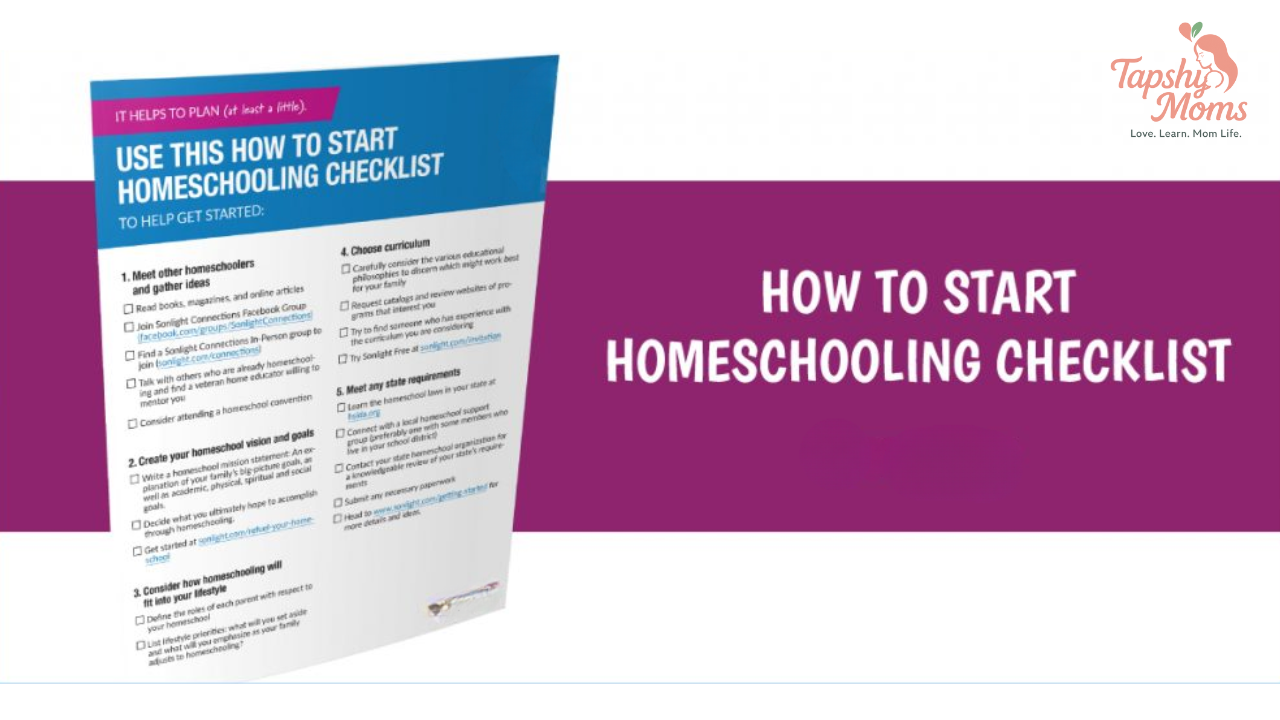
Before diving into curriculum, consider a homeschooling readiness checklist of practical factors:
- Time Commitment for Homeschooling: The reality is that teaching takes time. How much dedicated time can you realistically set aside each day? It’s more than just academic hours; it includes preparation, clean-up, and field trips.
- Financial Considerations and Cost of Homeschooling: While homeschooling can save money on school-related fees, you’ll incur new expenses for curriculum, supplies, and activities.
- Parent as Teacher Confidence and Am I qualified to homeschool? The simple answer is yes, you are! You already know your child better than anyone. Your role is less about being an expert in every subject and more about being a facilitator and chief motivator.
- Homeschooling Challenges and Sacrifices of Homeschooling: Acknowledge that there will be tough days. You may need to sacrifice some personal time, hobbies, or career flexibility. Understanding the potential homeschooling challenges upfront prepares you to face them with resilience.
Planning for Homeschooling Success
Planning for homeschooling is the foundation upon which your daily routine will rest. This involves building a strong homeschool support system—local friends, online communities, or even just one trusted partner. You need people who will lift you up when you’re overwhelmed and help with dealing with criticism about homeschooling from well-meaning but uniformed relatives or friends. Focus on a gentle transition to homeschooling, starting slow and building up to a full schedule, all while setting realistic expectations for everyone.
Legal and Administrative Homeschooling Requirements
Understanding State Homeschooling Laws and Regulations
The biggest administrative hurdle is complying with state homeschooling requirements. Every state in the US has different homeschooling laws, so it’s critical to research your local situation. You must understand your state’s compulsory attendance law and how homeschooling fulfills that requirement. The homeschooling regulations can range dramatically. For instance, some states require no notice or oversight, while others demand annual testing, specific hours logged, and portfolio reviews.
Homeschool Documentation and Recordkeeping
Good homeschool documentation is essential for proving compliance and tracking progress. Typically, this includes:
- Attendance records: Simple logs showing the days school was in session.
- Homeschool portfolio: A collection of your child’s best work, reading lists, and project examples.
- Homeschool notification procedures: The annual (or initial) letter of intent you send to the local school district.
Homeschool Oversight and Support Options
Depending on your state’s requirements, you may consider joining umbrella schools (private schools that oversee and provide legal coverage for homeschoolers). You can also look into homeschool co-ops for group classes and social interaction. Many states mandate or offer the option of standardized testing for homeschoolers as a means of assessing academic progress. Plan ahead for the future by familiarizing yourself with homeschool graduation requirements and the academic pathways to college for homeschooled students.
Educational and Curriculum Planning
Choosing the Right Homeschool Curriculum
The sheer volume of homeschooling curriculum options can feel overwhelming, but the first step in how to choose homeschool curriculum is to match it to your child’s needs and your teaching style. Explore various homeschooling methods, such as Montessori, Charlotte Mason (which emphasizes “living books”), Classical education, or even Unschooling (which is based on the child’s natural curiosity). Embrace student-led learning by focusing on your child’s interests and motivation—if they love rockets, their math, history, and reading can all be tied into a space theme.
Lesson Planning and Goal Setting
Start small when you lesson planning for homeschool. Rather than planning a year, try planning one week or one unit at a time. The key is to set clear educational goals for the year, semester, and month. Be prepared to adapt lessons to different learning styles. Your teaching should reflect your family’s natural rhythm. Establishing a flexible homeschool daily routine and a reliable homeschool schedule provides a framework, but remember that flexibility is one of the greatest gifts of homeschooling.
Setting Up for Success
You don’t need a dedicated classroom, but setting up a homeschool space can greatly aid focus. A quiet corner, a dedicated desk, or even a sturdy kitchen table will work. Stock up on essential homeschool supplies like art materials, workbooks, and a reliable library card. Research local homeschool resources like museums and parks. If financial concerns are a factor, you can absolutely succeed at homeschooling on a budget by utilizing library books, free online tools, and recycled materials.
Lifestyle and Practical Considerations
Time Management for Homeschooling Parents
Juggling your life and teaching requires expert time management for homeschooling parents. Use blocks of independent study time for your personal tasks. If you’re homeschooling and working from home, you’ll need a clear division of time and boundaries—a non-negotiable hour for work, for example, while the children are engaged in a quiet activity. Be vigilant against parent burnout by prioritizing self-care and scheduling “off” days.
Socialization and Community Building
The question of socialization for homeschoolers is the most common critique. The truth is, homeschooled children often get more varied peer interaction than their traditionally schooled counterparts. Actively seek out homeschool groups, join a homeschool co-ops for academic and social activities, and enroll your child in extracurricular activities for homeschoolers like music, theater, or homeschool sports teams. This is how you effectively build a homeschool community.
Managing Family Dynamics
The unique challenge of homeschooling multiple ages requires creative scheduling. While one child is doing independent math, you might read aloud to the younger one. Understand that sibling dynamics will be amplified when everyone is home all day. Teach your children collaboration and self-regulation. Focus on clear expectations and maintaining harmony.
Evaluating Progress and Long-Term Outcomes
Measuring Homeschool Success
Success in homeschooling looks different for every family. You can measure it by tracking academic growth, but also by charting progress in maturity, curiosity, and character. Standardized tests, if required or desired, are one measure, but a well-kept homeschool portfolio showing a variety of work is a better tool for tracking growth.
Preparing for the Future
As you approach the high school years, you’ll need to focus on homeschool graduation requirements that meet state mandates and prepare your child for their next step. Researching college for homeschooled students will show you that admissions officers generally value the unique, personalized education a homeschooler receives. By being thoughtful and intentional in your planning, you can ensure positive homeschooling outcomes and explore the wonderful long-term effects of homeschooling.
Conclusion
The decision to embark on the homeschool journey is significant, but it’s also an incredible opportunity to customize your child’s education. By focusing on preparation, understanding the legal landscape, and planning an engaging curriculum, you are setting the stage for homeschooling success. Remember, your deep love for your child is your best qualification.
Ready to take the next step? I encourage you to download a Homeschool Readiness Checklist or connect with local homeschool support systems to start building your community today.
FAQ: Common Questions About Starting Homeschooling
What are the first steps to take before starting homeschooling?
The first steps involve initial homeschooling preparation: researching your state’s homeschooling laws, withdrawing your child from their current school (if applicable), sending a homeschool notification (if required), and beginning basic curriculum planning.
How do I know if homeschooling is right for my family?
The homeschooling decision depends on several factors, including your family’s lifestyle, your child’s learning styles, your ability to make the time commitment for homeschooling, and alignment with your overall family goals.
What are the legal requirements for homeschooling in my state?
The state homeschooling requirements vary widely. You need to research your local homeschooling laws to understand the compulsory attendance law, recordkeeping expectations, and homeschool notification processes.
How can I choose the best homeschool curriculum for my child?
Consider the different homeschooling curriculum options and align them with your child’s educational goals and natural learning styles. A hands-on child might prefer a unit study approach, while a more structured child might thrive with a boxed curriculum.
How do homeschoolers stay socialized?
Socialization for homeschoolers is achieved through joining homeschool co-ops, participating in extracurricular activities for homeschoolers, and actively building a local homeschool community through meet-ups and group classes.
What are the long-term outcomes of homeschooling?
Research indicates positive homeschooling outcomes, with homeschooled students often exhibiting strong critical thinking skills, high rates of acceptance to top universities, and success in their chosen careers, making college for homeschooled students a viable path.