
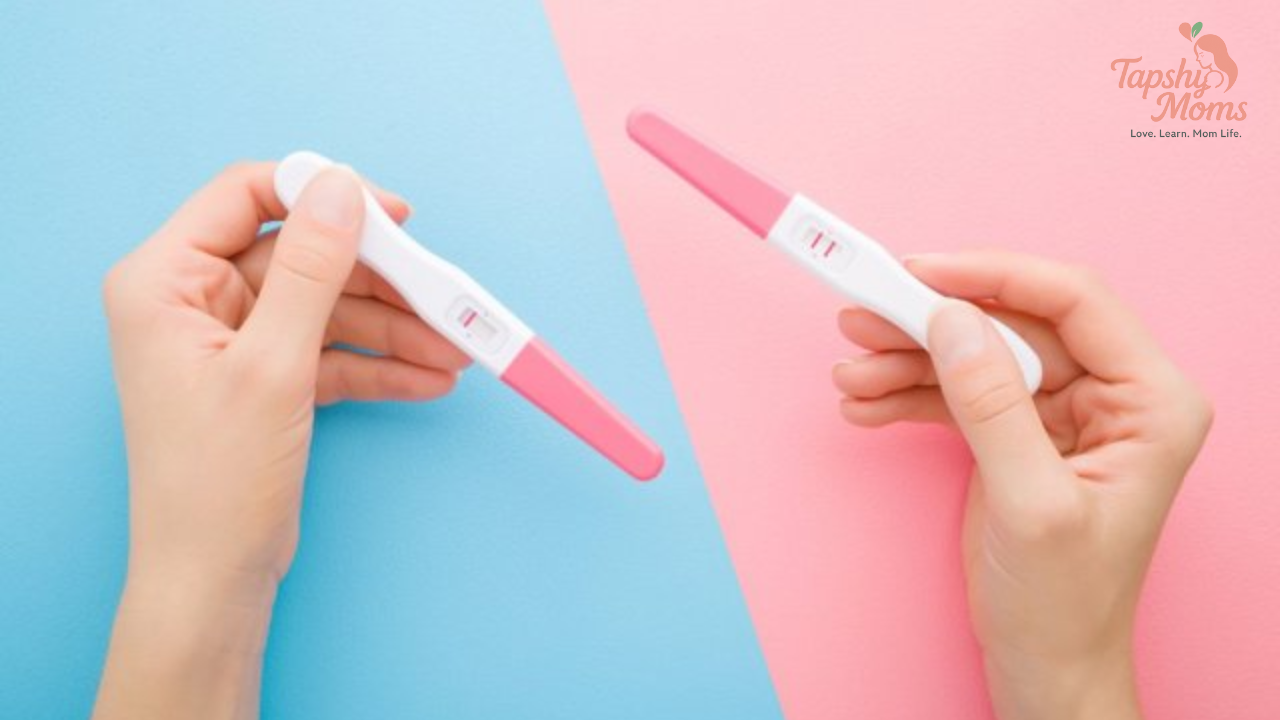
The moment you stand in front of that small stick, heart pounding, waiting for the answer—it’s a universal moment of hope, anxiety, and anticipation. Whether you’re trying to conceive (TTC) or just curious about a late cycle, knowing how to take a pregnancy test correctly is key to getting the most reliable answer.
A home pregnancy test is a simple yet life-changing tool, and its pregnancy test accuracy hinges heavily on when to take a pregnancy test and following the pregnancy test instructions perfectly. Many people wonder “how to take a pregnancy test correctly” because a simple mistake in timing or technique can lead to confusing results. That’s why we’re here to walk through every single detail. Ultimately, accuracy matters most when facing such a significant life question.
Understanding How Pregnancy Tests Work
The Role of hCG Levels in Detecting Pregnancy
Every pregnancy test, from a simple strip to a complex digital one, is designed to detect a single, crucial hormone: hCG levels (human chorionic gonadotropin). Often called the “pregnancy hormone,” hCG is produced by the cells that will eventually form the placenta, and it only appears in your body after conception and implantation occur. This rise in hCG is the earliest biological indicator that you might be pregnant or not.
An early detection test is simply one that is sensitive enough to register very low levels of this hormone. The gold standard for measuring this is a beta hCG test, which is a quantitative blood test for pregnancy performed by a doctor.
Types of Pregnancy Tests
There’s a dizzying array of tests on the shelf, but they all fall into a few categories:
- Strip pregnancy test: Usually the most affordable (dollar store pregnancy test), these require dipping a strip into collected urine.
- Wand-Style Tests: The most common form, including tests like the First Response pregnancy test and Clearblue pregnancy test. They can be pink dye vs blue dye test, with pink dye generally being easier to read.
- Digital pregnancy test: These eliminate the confusion of lines by displaying words like “Pregnant” or “Not Pregnant.”
- Clinical Tests: The most definitive way to confirm pregnancy is a clinical test—either a urine test at the doctor’s office or the highly precise beta hCG test (blood draw).
While the wand-style tests from reputable brands are often considered the most accurate pregnancy test for home use, even the simple strip tests are highly effective if used correctly and at the right time.
When to Take a Pregnancy Test
Timing is arguably the single most important factor for getting a reliable result.
Timing Around Ovulation and Conception
If you are trying to conceive (TTC), you likely track your ovulation. Testing too early will almost certainly result in a false negative pregnancy test because the hCG hasn’t built up yet. Implantation typically occurs 6 to 12 days after conception. You’ll often hear about days past ovulation (DPO) testing. While some tests claim to be accurate many days before your expected period, most experts recommend waiting until at least 12-14 DPO. This tells you how early can you take a test with a reasonable expectation of accuracy.
Testing After a Missed Period
If you aren’t tracking DPO, the simplest signal is a missed period. This is the classic signal to test. If you’ve had a missed period pregnancy test is highly recommended. Testing immediately after a missed period gives your body more time to build up the necessary hCG levels, making the results far more definitive than an early pregnancy test.
Best Time of Day to Test
For the highest chance of detecting hCG, the best time of day to test is with your first-morning urine. This is because your urine is most concentrated after several hours of sleep. Later in the day, especially if you’ve been drinking a lot of water, your urine can be diluted, which could potentially mask lower levels of hCG and lead to a confusing or inaccurate result.
Step-by-Step Guide: How to Take a Pregnancy Test Properly
Getting the right answer starts with following the proper way to take a pregnancy test.
Preparing for the Test
- Read the Directions: Before you even open the foil packet, read the entire set of pregnancy test directions. Every brand is slightly different.
- Gather Supplies: Make sure you have the test, a timer (your phone works great), and a clean cup if you plan to use the dip method.
- Check the Expiration Date: An expired test can lead to an invalid pregnancy test result.
Steps for Using a Home Pregnancy Test
The steps for a pregnancy test are quite simple, but precision is key:
- Option 1: Midstream: The most common method. Hold the absorbent tip directly in your urine stream for the amount of time specified (usually 5 to 10 seconds). This is how to pee on a pregnancy test.
- Option 2: Dip: Urinate into a clean, dry cup and then dip the absorbent tip into the urine for the specified time.
Once you’ve collected the sample, set your timer and lay the test flat on a non-absorbent surface. How long to wait for results varies, but most require 3 to 5 minutes. Do not read the test after the specified window, as this can lead to unreliable results.
Avoiding Common Mistakes
The most common mistake leading to a false positive pregnancy test or false negative pregnancy test is poor timing. Testing too early can give you a false negative. Another error is not holding the stick in the urine stream for the exact amount of time—too short and it might not absorb enough; too long and it could flood the test. Follow the using a home pregnancy test guidelines precisely for a reliable outcome.
How to Read a Pregnancy Test Result
Interpreting the Lines or Symbols
A pregnancy test has a control line (to show the test is working) and a test line (to show hCG detection).
- Positive Pregnancy Test: Two lines on a pregnancy test (the control line and the test line) means the test detected hCG. Congratulations, you are likely pregnant!
- Negative Pregnancy Test: Only the control line appears.
- Digital Tests: A digital pregnancy test will display text like “Pregnant” or “Not Pregnant.” This eliminates the guesswork of line interpretation.
Knowing what does a positive test look like is straightforward when the lines are dark, but it gets tricky…
Understanding Faint Lines and Evaporation Lines
A faint line on pregnancy test can cause anxiety, but in most cases, a faint line is a positive result, especially if it appears within the result window. It simply means the hCG concentration is low.
The confusing part is the evaporation line. This is a colorless, slightly shadowy line that appears after the official time limit has passed, due to the urine drying on the test strip. An evaporation line does not indicate a positive result. This is why following the how long to wait for results time is crucial.
Dealing With Invalid or Confusing Results
If the control line does not appear at all, it means the test is an invalid pregnancy test and you should disregard the result and retest with a new stick. If you have a faint line or any confusing result, the best next step is to wait 48 hours and test again, as hCG levels double about every two days in early pregnancy.
Factors That Affect Pregnancy Test Accuracy
Causes of False Positives and False Negatives
While rare, tests can sometimes be wrong:
| Result Type | Possible Causes |
| False Negative | Testing too early (before hCG is detectable), diluted urine, checking the test after the time limit, expired test. |
| False Positive | Rarer; could be certain fertility medications (containing hCG), a recent miscarriage or abortion, or an extremely early chemical pregnancy. |
Comparing Test Sensitivity
Early detection tests are more sensitive, meaning they can detect lower levels of hCG. If you are testing very early, you may need a higher sensitivity test. For most women, the most definitive results come from simply waiting until after the missed period.
Confirming Pregnancy With a Doctor
A home test gives you a strong indication, but the only way to officially confirm pregnancy is by having a doctor’s appointment. They can perform a clinical urine test or the beta hCG test (blood draw), which measures the exact concentration of the hormone. This test can also help track the progress of the early pregnancy.
Signs You Might Need to Take a Pregnancy Test
Early Pregnancy Symptoms
In the week leading up to when your period is due, you might notice early pregnancy symptoms that prompt the “am I pregnant?” question:
- Missed period
- Breast tenderness or swelling
- Mild cramping or spotting (implantation bleeding)
- Unusual fatigue
- Nausea, sometimes called “morning sickness”
If you are experiencing any of these signs of pregnancy, and especially if your period is late, it’s time to follow the steps for a pregnancy test.
TTC (Trying to Conceive) and Ovulation Awareness
If you are TTC, you are likely familiar with tracking your cycle. Knowing your ovulation date helps you calculate your days past ovulation (DPO) testing window. This awareness helps ensure you don’t waste tests on days when a positive result is biologically impossible.
Conclusion
Taking a pregnancy test is a pivotal moment, and while it feels intense, the process itself is straightforward. The key to a definitive answer is timing—wait until after your missed period or at least 14 days past ovulation (DPO). Always follow the pregnancy test instructions exactly, including the all-important time limit for reading the result.
If you are left with a faint line or confusing result, remember that it’s okay to retest in a couple of days, or even better, consult with a healthcare provider. They can provide an official confirm pregnancy result and discuss your next steps, whether that’s celebrating a positive pregnancy test or continuing your TTC journey. Be kind to yourself, no matter what the result shows.
FAQs: Common Questions About Taking a Pregnancy Test
Q1: How early can you take a pregnancy test after ovulation?
While some early detection tests can be used as early as 8-10 DPO, waiting until at least 12 DPO or after a missed period provides the most reliable pregnancy test accuracy.
Q2: What’s the best time of day to take a pregnancy test for accurate results?
The best time of day to test is in the morning using your first-morning urine, as the hCG levels are typically highest and most concentrated.
Q3: Can a pregnancy test be wrong? (false positive or false negative)
Yes, a false negative pregnancy test is more common, usually due to testing too early or having diluted urine. A false positive pregnancy test is rare but can be caused by certain medications or an incredibly early loss (chemical pregnancy).
Q4: What does a faint line on a pregnancy test mean?
A faint line on pregnancy test appearing within the specified time frame is almost always a positive pregnancy test, indicating the presence of hCG. The line is faint because the concentration of the hormone is still low.
Q5: Should I take another test after a missed period if my first was negative?
Yes. If your period is still missing and your first test was negative, wait 48-72 hours and test again. Your hCG levels may not have been high enough initially.
Q6: Is a blood test more accurate than a home pregnancy test?
Yes, a blood test for pregnancy (beta hCG test) is more accurate because it can detect much lower levels of hCG and provide a quantitative measurement.