

Becoming a mother after 35 can feel both exciting and overwhelming. Many women today are having a baby in their late 30s, balancing careers, relationships, and personal goals before starting or expanding their families. Yet, when the time feels right, it’s natural to wonder about pregnancy after 35—the chances, the risks, and the ways to make it happen.
This guide is here to help you understand everything about getting pregnant over 35—from fertility facts and lifestyle changes to medical options and emotional support. Whether you’re just starting to plan or are already trying to conceive at 35+, this article offers expert-backed advice and heartfelt encouragement for your journey.
I. Understanding Fertility: The Facts About Conceiving at 35 or Older
1. The Real Chances of Getting Pregnant at 35, 40, 45
It’s true that declining fertility with age is real, but it doesn’t mean your dream of motherhood ends at 35. Statistically, women in their mid-30s have around a 15–20% chance of conception each cycle. By 40, this drops closer to 5%, and by 45, it’s less than 5%.
Still, numbers don’t tell the whole story. Many women successfully experience advanced maternal age pregnancy and deliver healthy babies with proper care and planning. Remember—your fertility journey is personal, not statistical.
2. The Impact of Age on Egg Quality and Ovarian Reserve
As women age, the number and quality of eggs naturally decrease—a process known as egg quality and age decline. This affects both fertilization rates and embryo quality. The impact of age on egg quality is one of the key reasons conception becomes harder over time.
To assess your fertility potential, doctors often recommend AMH testing and ovarian reserve evaluations. These tests give a snapshot of how many eggs remain and help guide next steps in your conception plan.
Understanding ovulation in your 30s and 40s is also essential. While cycles may remain regular, ovulation can become less predictable, so tracking can provide valuable insight into your fertile window.
3. Essential Pre-Conception Planning for Women Over 35
Pre-conception planning for women over 35 is about preparing your body for a healthy pregnancy. Start by taking prenatal vitamins (especially Folic Acid) at least one to three months before trying to conceive. Folic Acid supports early neural development and reduces the risk of birth defects.
Other pre-conception health tips include:
- Scheduling a full health check-up with your OB-GYN
- Addressing dental health (gum disease has been linked to fertility issues)
- Managing chronic conditions like thyroid disorders or PCOS
With thoughtful preparation, you can create a strong foundation for pregnancy success.
II. Maximizing Your Natural Conception Chances
1. Optimal Timing: Tracking Ovulation Over 35
When it comes to conception, timing is everything. Understanding your fertile window through tracking ovulation over 35 helps you pinpoint the best time to get pregnant after 35.
You can track ovulation using:
- Basal Body Temperature (BBT): Chart your morning temperature daily.
- Ovulation Predictor Kits (OPKs): Detect LH surges that precede ovulation.
- Cervical Mucus Monitoring: Look for clear, stretchy mucus indicating fertility.
Combining these methods gives a clearer picture of when to try, helping you increase your chances of getting pregnant naturally.
2. Lifestyle Changes to Improve Fertility
Small lifestyle shifts can have a big impact on fertility over 35. Focus on:
- Eliminating harmful habits: Avoid smoking, limit alcohol, and cut down caffeine.
- Maintaining a healthy weight: A balanced BMI supports hormonal health.
- Managing stress: Fertility challenges can be emotional. The emotional journey of TTC after 35 can be eased through yoga, journaling, or counseling.
Your partner also plays a role—sperm health declines with age, so the partner’s role in conception after 35 includes healthy habits and nutrient-rich eating.
3. The Best Fertility Diets for Women Over 35
A nourishing diet supports reproductive health and hormone balance. The best fertility diets for women over 35 often resemble the Mediterranean diet—rich in vegetables, whole grains, lean proteins, and healthy fats.
Add fertility-friendly foods like:
- Avocados and leafy greens (for folate)
- Salmon and walnuts (for omega-3s)
- Eggs and beans (for protein and choline)
These nutrients naturally aid in boosting fertility after 35 and help prepare your body for pregnancy.
III. When to Seek Medical Help: Fertility Specialists and Treatments
1. Fertility Workup: When to See a Fertility Specialist
If you’ve been trying to conceive at 35+ for six months without success, it’s time to consult a specialist. The timeline for seeking fertility help is shorter for women over 35 because egg quality and quantity can change quickly.
A fertility workup and diagnosis includes:
- Hormone tests and common fertility tests for women over 35
- Ultrasound imaging to evaluate the uterus and ovaries
- Semen analysis for the male partner
This comprehensive assessment identifies potential challenges and next steps.
2. Assisted Reproductive Technologies (ART)
If natural methods don’t lead to pregnancy, reproductive medicine offers powerful solutions. IUI for women over 35 (Intrauterine Insemination) is often a first step—it places sperm directly into the uterus to improve chances of fertilization.
If more help is needed, IVF success rates over 35 vary: about 40% for women aged 35–37, 25% for those 38–40, and 10% for women over 40. Success depends on egg health, uterine environment, and overall health.
For those with low ovarian reserve or poor egg quality, using donor eggs can dramatically increase success rates. A fertility specialist will guide you through the process, ensuring you’re comfortable and informed every step of the way.
IV. Risks and Rewards: A Healthy Pregnancy After 35
1. Navigating Potential Risks of Pregnancy After 35
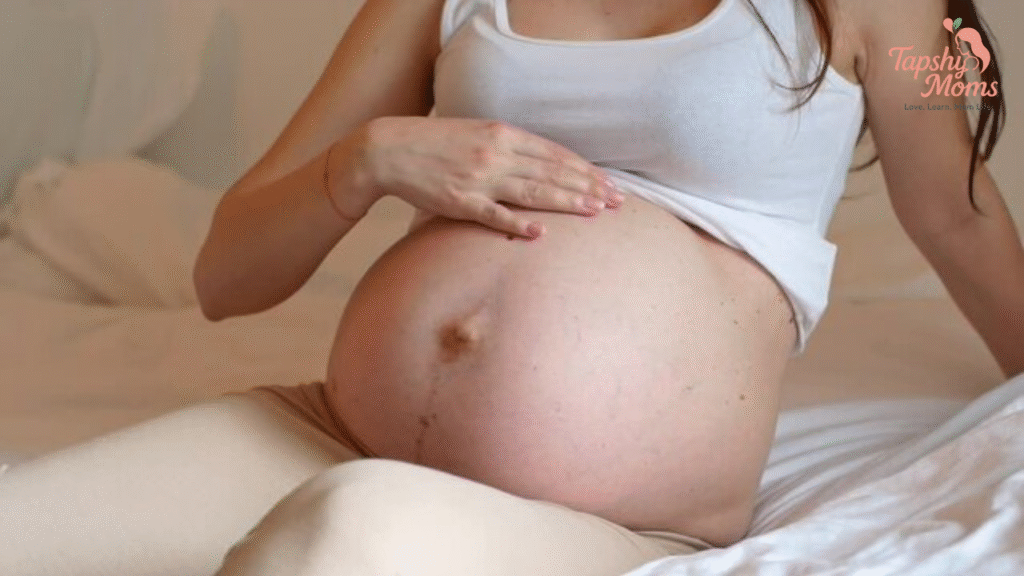
There’s no denying that the risks of pregnancy after 35—such as gestational diabetes, preeclampsia, or higher miscarriage risk and age—are higher than in younger years. However, with attentive prenatal care, these risks can be well-managed.
Interestingly, hormonal changes and fertility treatments may increase the chance of twins after 35. While this can bring added complexity, it also brings double the joy for some families.
2. Screening and Monitoring: Genetic Testing Options
Modern medicine offers powerful tools for peace of mind. Genetic screening and testing (NIPT, amniocentesis) help detect chromosomal conditions early. Non-invasive prenatal testing (NIPT) is a simple blood test, while amniocentesis offers more detailed results when needed.
These screenings, guided by your healthcare team, help ensure a safe and monitored pregnancy journey.
3. Tips for a Healthy Pregnancy After 35
Healthy habits matter more than ever. Here are essential tips for a healthy pregnancy after 35:
- Stay active with low-impact exercises like walking or prenatal yoga
- Eat a balanced, nutrient-dense diet
- Keep up with regular prenatal visits and screenings
Beyond physical care, embrace the positives of being an older mom: you bring life experience, emotional stability, and often a strong support network. These advantages make your motherhood journey even richer.
Conclusion
While fertility may decline with age, getting pregnant over 35 is absolutely possible—and increasingly common. With proactive pre-conception planning for women over 35, healthy lifestyle changes, and timely medical support, countless women experience successful pregnancy stories over 35 every year.
You’re not alone on this path. Whether you’re just starting or in the thick of TTC after 35, hope and help are on your side.
Ready to take the next step? Speak to your doctor today to create your personalized pre-conception plan and embrace your next chapter with confidence.
Frequently Asked Questions (FAQ)
What is the timeline for seeking fertility help when trying to conceive at 35+?
If you’ve been trying for six months or more without success, consult a fertility specialist for a full evaluation.
How does impact of age on egg quality influence my IVF treatment options?
Lower egg quality may reduce success rates, but advanced techniques like preimplantation genetic testing (PGT) or using donor eggs can greatly improve outcomes.
Are the risks of pregnancy after 35 significantly higher than for younger women?
Yes, slightly—but most risks are manageable with regular prenatal care and monitoring.
Besides Folic Acid, what are the most important pre-conception health tips for getting pregnant over 35?
Maintain a balanced diet, manage stress, limit alcohol, and stay active.
What are the key differences between IUI for women over 35 and IVF?
IUI is less invasive but has lower success rates, while IVF offers higher success rates with more control over egg selection and fertilization.
Is it common to need support groups for women TTC over 35, and where can I find them?
Absolutely. Support groups for women TTC over 35 provide emotional comfort and community. You can find them online, through local hospitals, or fertility clinics.