

It’s late at night. The dishes are still piled in the sink, toys are scattered across the floor, and you’ve just lost your patience with your toddler after a long day. As you finally sit down, a quiet thought creeps in: “I’m not cut out for this. I’m failing at motherhood”
If you’ve ever found yourself feeling like you’re failing motherhood, you are far from alone. Many moms experience mom guilt and struggle with bad mom thoughts, questioning whether they’re good enough. These emotions can feel isolating, but they are actually a universal part of parenting.
In this article, we’ll explore why these feelings arise, the common triggers behind them, and most importantly—how you can begin to release the weight of inadequacy and embrace the imperfect, yet beautiful, reality of motherhood.
The Root Cause: Why Do I Feel Like a Failure as a Mom?
Understanding the “Perfect Mom” Myth
One of the biggest contributors to parenting doubts is the pressure to live up to the perfect mom myth. Scroll through Instagram and you’ll see spotless homes, children eating organic meals, and smiling mothers who seem to never get tired. But this is not the full story.
Comparing myself to other moms only magnifies insecurity, leaving me convinced I’m not doing enough. This often leads to imposter syndrome motherhood, where you feel like you’re just pretending to be a capable parent while everyone else has it figured out.
The truth? Motherhood is hard, and the highlight reels we see on social media hide the real motherhood struggles that every family faces.
Deconstructing Mom Guilt and Parental Inadequacy
Mom guilt is that nagging voice whispering, “You should be doing more.” Whether it’s giving your child too much screen time or forgetting to pack a snack, guilt convinces you that you’re failing.
This spirals into parental inadequacy—the deep-rooted fear of being an inadequate mother. It fuels bad mom syndrome, where every mistake feels like proof you’re not cut out for this role.
But here’s the truth: you are not a bad mom. These are normal feelings of motherhood, not reflections of your worth.
Signs of Stress: When Normal Feelings Become Overwhelming
Recognizing the Signs of Motherhood Burnout
There’s a difference between fleeting doubt and motherhood burnout. Burnout happens when parenting stress accumulates, leaving you emotionally and physically depleted.
Signs include:
- Wanting to retreat or hiding from kids just to get a moment of peace.
- Becoming a crying all the time mom, feeling unable to control emotions.
- Struggling with mom anxiety and constant worry.
- Snapping or not having patience with toddler, followed by yelling at my kids and feeling guilty.
These are red flags that the weight of motherhood has become too heavy to carry alone.
Navigating the Postpartum Period
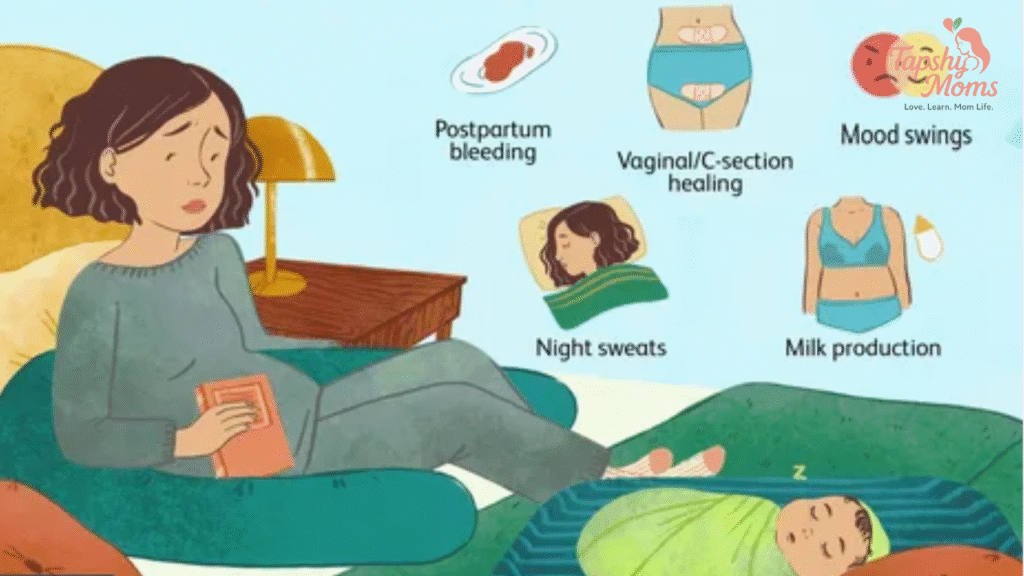
For many mothers, feelings of failure start early. Failing at motherhood with a newborn is a common fear, especially when you’re navigating sleep deprivation and healing.
It’s important to understand the difference between postpartum depression vs baby blues. The baby blues usually resolve within a couple of weeks, while postpartum depression is more severe and longer-lasting, often requiring professional help.
Other challenges—like failing at breastfeeding or feeling like you’re not enjoying motherhood—can deepen the sense of failure. But these struggles are part of the challenges of motherhood, not evidence that you’re a bad parent.
Common Triggers: The Day-to-Day Struggles That Add Up
Internal and External Pressures
The mental load of motherhood—keeping track of meals, schedules, laundry, and appointments—often goes unnoticed, but it’s exhausting. It creates guilt when things slip through the cracks.
Mothers also wrestle with:
- Screen time guilt when relying on devices to keep kids occupied.
- House is a mess mom guilt, believing that a messy home reflects poor parenting.
- Social media and mom guilt, where curated feeds make you feel like you’re always falling short.
These everyday pressures may seem small, but together they weigh heavily on maternal well-being.
The Emotional Fallout of Losing Your Temper
Most moms know the sting of “I lost my temper with my child and feel horrible.” Losing patience is a human reaction to stress, not proof of being a bad parent.
Children need repair more than perfection. Apologizing, reconnecting, and showing love afterward teaches them resilience. One moment of frustration does not define your motherhood.
Moving Forward: Practical Steps to Stop Feeling Like a Bad Mom
Embracing Imperfection
If you’re wondering how to stop feeling like a bad mom, start by shifting your perspective. Let go of the good mom vs bad mom thoughts framework—it’s unhelpful and unrealistic.
Instead:
- Remember that it’s okay to not be perfect.
- Recognize the signs you’re a good mom even when you feel bad—like your child’s hugs, smiles, and trust in you.
- Celebrate small wins, whether it’s making it through the day or reading one bedtime story.
Prioritizing Your Well-being
To care for your children, you must also care for yourself. Self-care for moms doesn’t have to mean spa days—it can be as simple as a walk outside, journaling, or savoring a hot cup of coffee in peace.
Normalize asking for help as a mom. Share responsibilities with your partner, lean on family, or swap childcare with a friend.
You can also try coping with motherhood feelings through mindfulness, support networks, or creative outlets that bring joy.
When to Seek Help: Finding Support and Healing
Building Your Support System
Isolation amplifies mom shame. That’s why mom support groups are powerful. They offer safe spaces where you can discuss maternal mental health, share stories, and feel less alone.
Being around other moms who admit to real motherhood struggles makes it easier to release self-judgment.
The Role of Therapy
When guilt and doubt become overwhelming, consider therapy for mom burnout. A therapist can help you untangle parenting stress, process emotions, and build healthier coping strategies.
Seeking help doesn’t mean weakness—it means you value your well-being and your family’s future.
Conclusion: You Are Not a Bad Mom
If there’s one message to take away, it’s this: you are not a bad mom.
The truth is that every mother wrestles with challenges of motherhood, and many quietly ask, “Why do I feel like I’m failing as a mom?” But failure is not the reality—it’s a story fueled by impossible standards.
Your love, your presence, and your effort matter far more than perfection. Take one small step today—whether it’s practicing self-care for moms, joining a mom support group, or simply whispering to yourself: “I am enough.”
Frequently Asked Questions
Why do I feel like I’m failing as a mother?
This often stems from unrealistic expectations, comparison, and the heavy mental load of motherhood. Remember, these are common thoughts, not truths.
I feel like a terrible mom to my toddler, what can I do?
Start by practicing self-compassion, repair moments after losing your temper, and seek support if feelings of guilt persist.
What are the signs you’re a good mom even when you feel like a failure?
If your child feels safe, loved, and comes to you for comfort, you’re doing better than you think.
How can I enjoy motherhood when I’m feeling overwhelmed?
Simplify your routines, ask for help, and focus on small, joyful moments rather than perfection.
Is it normal to regret having kids?
Normal feelings of motherhood can include regret, especially during stressful seasons. These thoughts don’t define your love for your children.
I lost my temper with my child and feel horrible, is this normal?
Yes. Repairing and reconnecting afterward teaches children valuable lessons about forgiveness and resilience.
How can I stop comparing myself to other mothers on social media?
Unfollow accounts that trigger social media and mom guilt and instead seek authentic voices that share real motherhood struggles.