
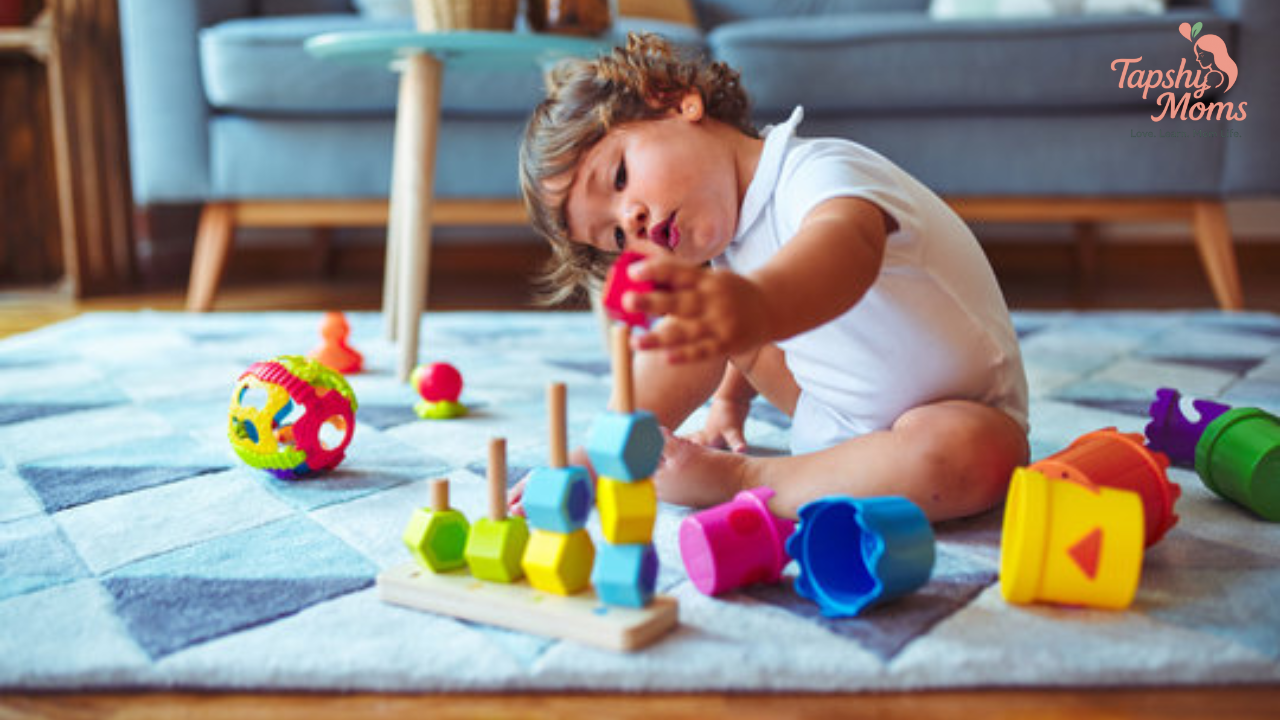
In a world full of screens, parents are increasingly seeking meaningful ways to foster their child’s development. This article is your guide to a world of fun and effective toddler learning activities. We’ll explore how simple, everyday play can be a powerful tool for cognitive, motor, and social-emotional growth. From easy toddler activities to creative, hands-on projects, you’ll discover how to make learning an engaging and natural part of your toddler’s day.
The Power of Play: Why Toddler Learning Activities Are Essential
Child Development Milestones
The toddler years, especially between ages 1 and 3, are a time of rapid growth. Child development milestones include learning to walk, talk, explore emotions, and interact socially. Play is not just fun; it’s how your child practices these new skills.
Unlike structured academics, play-based learning allows children to discover, experiment, and problem-solve in their own way. Whether they’re stacking blocks or exploring textures, they are constantly stimulating a toddler’s brain and building a foundation for lifelong learning.
The Role of Parents and Caregivers
You don’t need to be a teacher to support your child’s growth. Everyday interactions—singing in the car, cooking together, or storytelling—are powerful learning opportunities.
- Bonding activities with toddler: reading a favorite book together, sharing a cuddle during music time, or creating a bedtime ritual.
- How to teach a toddler: gently guide through modeling and encouragement rather than strict instruction. For example, instead of saying “No, that’s wrong,” you could say, “Let’s try another way.”
These small moments create a supportive environment where your child feels safe to learn.
Hands-On Activities for Holistic Skill Development
Fine and Gross Motor Skills
Strengthening little muscles sets the stage for writing, dressing, and self-care later on. Fine motor skills activities like threading pasta, using tweezers, or pompom activities are excellent choices.
For easy fine motor skills activities for 2-year-olds, try giving them playdough to squish or buttons to sort. These simple tasks help them build precision while having fun.
Equally important are gross motor skills activities that support balance, strength, and coordination. Think of an indoor obstacle course using pillows, building block activities, or dancing together with music and movement activities.
Cognitive and Problem-Solving Skills
Toddlers are natural explorers, and cognitive development activities nurture their curiosity. Offer problem-solving activities like puzzles, nesting cups, or shape sorters.
- Puzzle games for toddlers: wooden puzzles with chunky pieces.
- Sorting and classifying activities: separating objects by color or size.
These activities strengthen focus and logical thinking.
Language and Social Skills
Words bloom rapidly in toddlerhood, and language development activities can give that growth an extra boost. Singing nursery rhymes, describing actions during play, or introducing alphabet learning activities through playful songs all expand vocabulary.
Meanwhile, social skills activities like sharing blocks with a sibling or taking turns during pretend play teach cooperation. Role-play also supports emotional development activities, helping toddlers practice empathy by pretending to care for a doll or act out different feelings.
Practical Ideas for Every Situation
No-Prep, Low-Mess Fun
Busy day? No problem. There are plenty of no-prep toddler activities you can pull together quickly. In fact, here are 10 no-prep learning activities with things you have at home:
- Sorting spoons and forks.
- Building a tower with plastic cups.
- Counting socks during laundry.
- Pretend cooking with pots and pans.
- Matching lids to containers.
- Exploring scarves for peek-a-boo.
- Lining up toy cars by size.
- Drawing with crayons.
- Drumming with wooden spoons.
- Playing “I Spy” with colors.
These activities with household items are simple, yet powerful for learning.
Exploring with Sensory and Creative Play
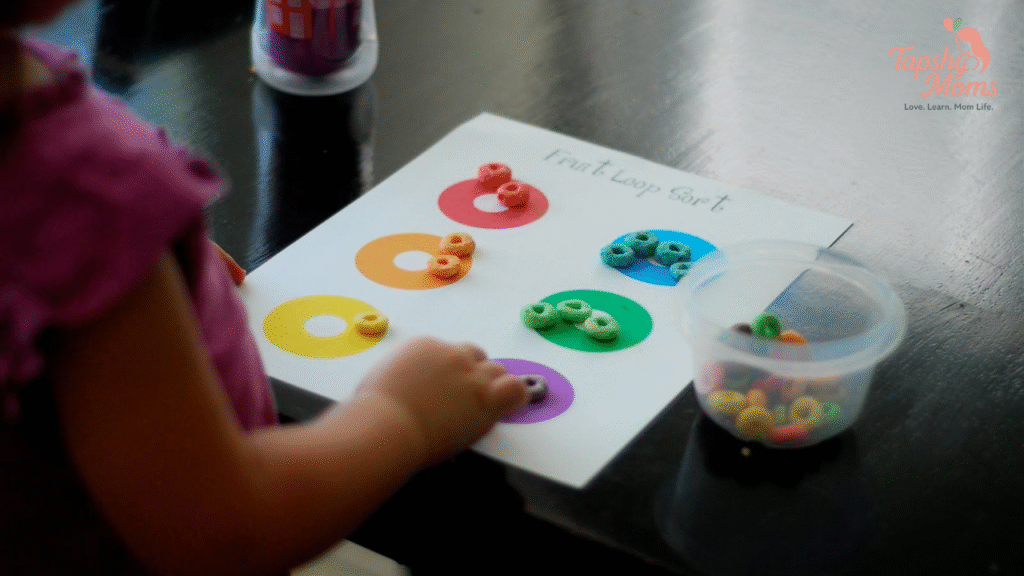
Children thrive when their senses are engaged. Sensory play ideas like water pouring, rice scooping, or textured fabrics spark curiosity. For parents who dislike the mess, try mess-free sensory bins with dry pasta or sealed bags filled with gel beads.
Creative play for toddlers can take many forms, from arts and crafts for toddlers using recycled paper and crayons, to playdough learning activities that double as early math when rolling “snakes” to measure. On warm days, simple water play ideas like pouring from one cup to another can entertain for ages.
Learning in Different Environments
Indoor vs. Outdoor Adventures
When the weather keeps you inside, focus on indoor activities for toddlers. For movement, try indoor gross motor activities for a rainy day, like balloon toss or crawling races.
Outdoors, the world becomes a classroom. Outdoor learning activities like a nature scavenger hunt, leaf collecting, or planting seeds teach about the environment and spark wonder.
Montessori-Inspired and Academic Prep
The Montessori philosophy emphasizes independence and real-life skills. Simple Montessori activities for toddlers, such as pouring water into a cup or sweeping with a small broom, build confidence. Try Montessori-inspired practical life activities for toddlers at home to encourage responsibility.
For preschool prep at home, start small:
- Shape and color activities like sorting colored blocks.
- Counting activities for toddlers using snacks or pebbles.
- Pre-writing activities like tracing lines in sand.
- How to teach colors to your toddler through play: try matching colored socks or painting with just two colors at a time.
Conclusion
Learning for a toddler is a continuous journey of discovery, and the best activities are those that feel like play. By embracing learning through play, you’re not only keeping toddler busy and learning, but also laying the foundation for future growth. Remember, the most valuable gift you can offer is your presence. Whether through DIY learning toys, screen-free activities, or simple cuddles, your toddler will feel supported, loved, and inspired.
Frequently Asked Questions (FAQ)
1. What are the best no-prep learning activities with household items?
Sorting socks, stacking cups, matching lids, or drumming with wooden spoons are quick and cost-effective learning ideas.
2. How can I create a stimulating sensory bin that isn’t too messy?
Use dry beans, rice, or pasta in a shallow bin. For sensory bin ideas for 3-year-olds that aren’t too messy, try sealed plastic bags filled with hair gel and small toys.
3. What are some easy gross motor activities I can do with my toddler indoors on a rainy day?
- Balloon volleyball
- Cushion obstacle course
- Animal walks (hop like a frog, waddle like a duck)
- Dance party in the living room
4. How can I teach my 2-year-old colors and shapes through play?
Sing shape songs, play “find the red toy,” or use building blocks for matching. These activities for 2-year-olds help make learning playful.
5. What is the difference between play-based learning and traditional teaching for toddlers?
Traditional teaching is adult-led and structured, while play-based learning is child-led, exploratory, and flexible. The latter supports creativity, curiosity, and confidence.
6. Are Montessori activities really worth it?
Yes. Montessori activities for toddlers promote independence, focus, and self-confidence. Even simple tasks like pouring water or sweeping teach responsibility and care for the environment.