
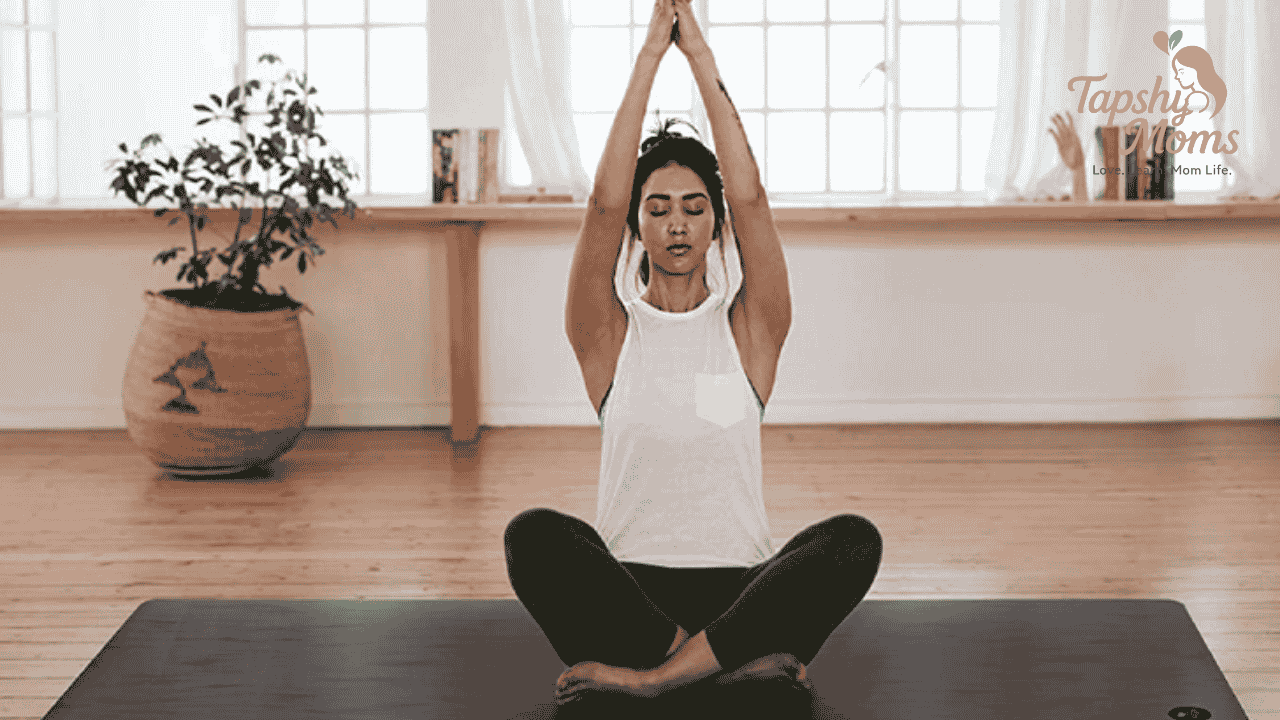
Do you find yourself caught in a cycle of stress, exhaustion, and impatience? As a parent, you’re not alone. The constant demands of raising children can leave you feeling overwhelmed and disconnected. But what if there was a simple, effective way to find your center and become a calmer, more patient, and more present parent?
The answer might be yoga. More than a physical workout, yoga is a holistic practice that combines movement, breath, and mindfulness. By weaving it into your daily life, you can not only strengthen your body but also transform how you show up as a parent. Let’s explore how yoga helps you master your emotional responses and discover new ways to improve parenting skills with yoga.
The Core Benefits of Yoga for Mindful Parenting
Parenting isn’t just about logistics—it’s deeply emotional. Yoga helps nurture your mental and emotional well-being, which directly influences your family environment.
Reducing Parental Stress and Anxiety
- Yoga for stress relief works by calming the nervous system and reducing cortisol, the body’s stress hormone. Simple yoga poses for parents like child’s pose, forward folds, or gentle twists can trigger the relaxation response.
- Learning breathing exercises for frustration (like alternate nostril breathing) helps when you feel like yelling. In fact, practicing yoga instead of yelling creates a pause between emotion and reaction.
- Over time, this leads to emotional regulation for parents, which supports conscious parenting by helping you respond thoughtfully instead of reacting with parental anger.
Increasing Patience Through Breathwork and Mindfulness
- Practicing Pranayama (breathwork) for patience—such as Ujjayi breathing or box breathing—teaches you to slow down before reacting, increasing tolerance when kids test boundaries.
- Short sessions of mindfulness meditation can make you more present. Instead of rushing through dinner or homework, you learn to truly engage, which strengthens connection.
- By modeling calm behavior, you teach your children how to self-soothe, which is one of the greatest gifts of a holistic parenting approach.
Practical Yoga Practices for Busy Parents
Even with a packed schedule, you can find small, impactful ways to use yoga for daily balance.
Quick Fixes for Overwhelmed Moms and Dads
- Short yoga breaks for parents (5–10 minutes) can reset your mood. Focus on gentle yoga sequences like cat-cow stretches or standing forward bends.
- If you work at a desk, desk yoga for busy parents offers simple stretches—neck rolls, shoulder shrugs, and seated twists—that double as working parent mindfulness tools.
- For exhaustion, yoga for exhausted parents emphasizes low-energy movements like supported bridge pose or legs-up-the-wall. These are especially helpful as yoga for overwhelmed moms or yoga for new parents.
Restorative Practices for Deep Relaxation
- Restorative yoga for caregivers uses props to support long-held poses, making it perfect for managing parental burnout.
- Yoga nidra for sleep deprivation is a guided meditation that feels like deep rest. Even 20 minutes can substitute for hours of lost sleep.
- Incorporating these into parental self-care routines isn’t selfish—it’s necessary. When you refill your cup, you improve your ability to nurture and maintain a stronger parent-child connection.
Bringing Yoga into Your Family Life
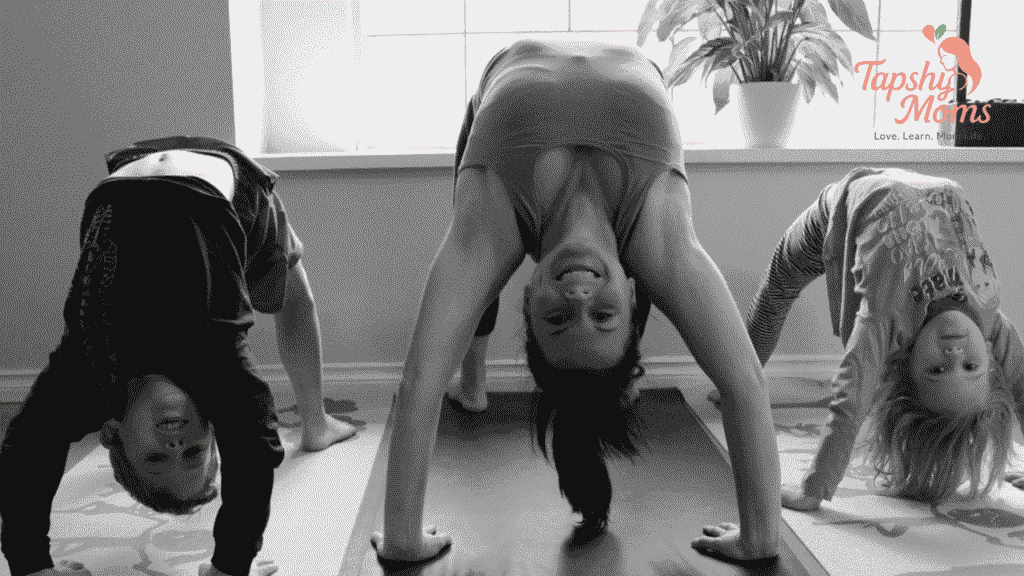
When yoga becomes a shared experience, it deepens bonds and brings more joy into family routines.
Bonding Through Movement and Play
- A family yoga practice can include simple partner balances, breathing games, or animal-inspired poses that kids love.
- Try parent-child bonding activities like partner “tree pose” or “airplane pose,” which build trust and laughter.
- With partner yoga for parents, you and your spouse can reconnect physically and emotionally, reinforcing teamwork.
Teaching Mindfulness to Your Children
- Start early with yoga with toddlers through playful movement or yoga for school-age children by introducing sun salutations.
- Show them how to use breathwork with kids: “bunny breath” (short, quick sniffs) or “dragon’s breath” (long, fiery exhales) can turn stress into fun.
- Over time, these practices help in managing toddler tantrums calmly and creating a peaceful home environment that benefits the whole family.
Overcoming Challenges & Getting Started
You may wonder if yoga is realistic with your busy life. The good news: it doesn’t need to be complicated.
Finding Time and Making it a Habit
- Start with easy yoga for busy parents—just five minutes in the morning or evening. Consistency matters more than duration.
- Follow tips to start a yoga parenting practice, such as keeping a mat in your living room or bookmarking a 10-minute online session.
- If you struggle with finding time for yoga with kids, invite them to join you. Even if it’s chaotic, it sets the tone that yoga is family-friendly.
Finding the Right Practice and Community
- If you’re new, try beginner yoga for parents like Hatha or Yin yoga, which are gentle and accessible.
- Explore online yoga classes for parents—many are tailored to short schedules and family-friendly approaches.
- For mothers, postnatal yoga benefits include rebuilding core strength, improving posture, and supporting emotional healing after childbirth.
- Local parenting workshops with yoga can also connect you with like-minded parents seeking a conscious parenting lifestyle.
Conclusion: A Journey, Not a Destination
Yoga is not about perfection—it’s about presence. By integrating these practices, you’ll notice improvements in patience, stress management, and even joy. Over time, the benefits extend beyond you to your children, your partner, and the overall energy of your home.
Remember, this isn’t a quick fix but a lifelong journey. Start small, stay consistent, and celebrate progress. With yoga, you’re not just becoming a healthier you—you’re shaping a calmer, more connected family environment. The benefits of yoga for parenting go far beyond the mat. Namaste.
FAQ: Your Questions Answered
Does yoga help with patience?
Yes. Breathwork and mindfulness train you to pause before reacting, which directly increases patience with children.
How can yoga make me a better parent?
It strengthens your ability to stay calm, practice empathy, and use positive parenting strategies that nurture instead of punish.
What are the benefits of yoga for parenting?
Stress reduction, emotional regulation, and a stronger parent-child bond are just a few of the many outcomes.
What are some yoga exercises for frustrated parents?
Try child’s pose, legs-up-the-wall, or alternate nostril breathing. These reset your nervous system in minutes.
What is the best yoga for stress relief for moms?
Restorative yoga and yoga nidra are especially effective, as they promote deep relaxation.
How do you start a yoga parenting practice?
Begin with short, simple routines at home, consider online yoga classes for parents, and gradually build consistency into your schedule.