

Introduction
“Why am I showing so much earlier this time?” “Am I gaining too fast?” If you’re experiencing weight gain during second pregnancy, you’re not alone in asking these questions. Many second-time moms notice their bodies respond differently compared to their first pregnancy, and it can be surprising, even worrying at times.
This guide will walk you through everything you need to know—how weight gain in a second pregnancy compares to the first, official recommendations for healthy weight gain, the reasons behind these differences, and practical tips for staying balanced. By the end, you’ll feel reassured and equipped with knowledge for this stage of your journey.
The Comparison – Second Pregnancy Weight Gain vs. First
The “Why” Behind the Differences
One of the most common observations is showing earlier second pregnancy. After your first baby, your abdominal muscles after first pregnancy may not be as firm, making it easier for your belly to expand quickly. On top of that, the uterus expands faster second pregnancy, meaning you may look pregnant sooner, even if the scale hasn’t budged much yet.
Another common question is, do you gain more weight with second pregnancy? The answer is: not necessarily. The overall recommended gain usually remains the same, but the pattern may feel different. Many women notice weight shifting earlier or more around the belly.
And yes, that bigger bump second baby is often less about gaining more pounds and more about how your body “remembers” pregnancy and accommodates the baby differently.
Key Differences in Weight Gain Patterns
Here’s a quick look at common weight gain second pregnancy vs first experiences:
- Timing: Weight may come on earlier in the second pregnancy.
- Distribution: Bump often appears larger due to muscle and uterine changes.
- Perception: Even with the same pounds gained, moms often feel “bigger.”
Medical research describes this as part of weight gain patterns in multiparous women, meaning women who have had more than one pregnancy.
Guidelines and Healthy Weight Gain
How Much Weight Should You Gain?
Doctors typically refer to the recommended weight gain by week as a guide, but it’s important to remember these are averages, not strict rules.
The official recommendations are based on pre-pregnancy BMI:
- Underweight (BMI < 18.5): 28–40 lbs
- Normal weight (BMI 18.5–24.9): 25–35 lbs
- Overweight (BMI 25–29.9): 15–25 lbs
- Obese (BMI ≥ 30): 11–20 lbs
This is where a BMI pregnancy weight gain chart can be incredibly helpful—it shows ranges and helps you track progress week by week.
So, how much weight should you gain second pregnancy? The answer is the same as your first—based on your BMI and overall health. The difference lies in how and when your body gains.
Navigating Specific Scenarios
- Obesity and pregnancy weight gain: If you started pregnancy overweight or obese, your provider may recommend a smaller range of gain to reduce risks.
- Gaining too much weight second pregnancy: Excessive gain can raise the likelihood of complications like gestational diabetes or a difficult delivery.
- Gaining too little weight second pregnancy: On the flip side, not gaining enough can affect your baby’s growth and your own energy levels.
The Reality – Causes of Weight Gain Differences
Physiological and Hormonal Reasons
Each pregnancy is unique, and your body evolves with every one. Metabolism changes second pregnancy can play a role—your body may burn calories differently than it did a few years ago.
Along with that, second baby body changes like fuller breasts, wider hips, or more visible belly growth may contribute to why you feel larger this time around.
Lifestyle and Practical Factors
Life looks different the second time around:
- Chasing a toddler while pregnant: It’s both a workout and an energy drain. Running after your little one can leave you too tired to cook balanced meals or plan snacks.
- Less time to focus on diet second pregnancy: Between work, household duties, and caring for your first child, it’s harder to stay intentional with food choices.
- Exercising during second pregnancy: Finding the time and energy for workouts can be challenging. Still, even small, gentle activities—like walking or prenatal yoga—make a difference.
Management and Moving Forward
Tips for Managing Weight Gain
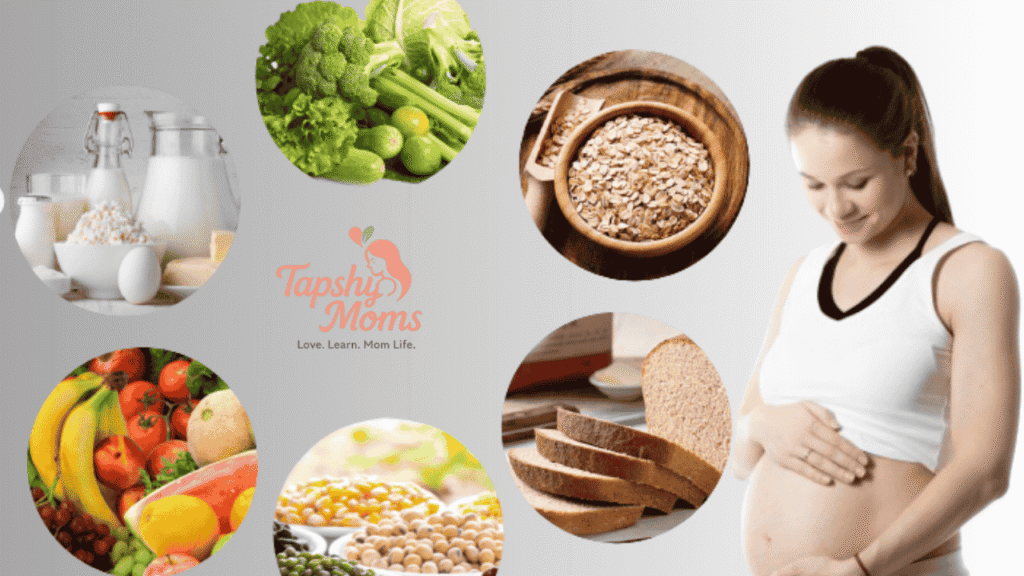
Here are some practical ways to support a healthy diet for second pregnancy and stay on track:
- Choose nutrient-dense snacks like fruit, yogurt, or nuts.
- Keep quick meal staples (frozen veggies, canned beans) for busy nights.
- Aim for balanced meals with protein, whole grains, and vegetables.
- Drink water frequently—thirst often disguises itself as hunger.
- Try meal prepping during weekends or naptimes.
When it comes to managing weight gain during pregnancy, the key is mindful choices, not strict diets. Listen to your body, eat when you’re hungry, and don’t stress over occasional cravings.
If you’re wondering how to avoid excess weight gain, focus on movement, portion awareness, and tuning into hunger cues rather than calorie counting.
Beyond the Bump
Looking ahead, postpartum weight loss after second baby can feel slower than the first, but it’s completely normal. Your body has already gone through recovery once and may respond differently this time.
Postpartum recovery second time often requires more patience—especially since you’re balancing a newborn and a toddler. Give yourself grace, rest when possible, and remember that healing takes time.
Conclusion
Every mom’s journey with weight gain during second pregnancy is unique. While the numbers on the scale may look similar to your first pregnancy, the experience often feels different due to body changes, lifestyle factors, and the reality of parenting more than one child.
The most important takeaway? Focus less on the exact pounds and more on building a healthy weight gain pregnancy journey for both you and your baby.
If you’re ever unsure, or if the scale moves faster (or slower) than you expect, check in with your healthcare provider. Above all, remind yourself: your body is doing something extraordinary—for the second time. That’s worth celebrating.