

Bringing a baby into the world is one of life’s most powerful experiences—but let’s be honest, the thought of labor pain can feel intimidating, especially for a first time mom. You may have heard countless stories, ranging from empowering to overwhelming, and it’s natural to wonder: how coping with labor pain feel like?
The truth is that labor pain is deeply personal—sometimes described as intense menstrual cramps, tightening waves, or deep pressure. While challenging, it is a natural and manageable part of childbirth. With the right tools, mindset, and support, you can navigate this experience in a way that feels empowering and uniquely yours.
This article will guide you through practical strategies for preparing for labor pain, exploring natural pain relief labor techniques, and understanding medical pain relief options. By the end, you’ll feel more confident in creating a birth plan pain management approach that aligns with your values and helps you move toward a positive birth experience.
Part 1: The Mindset — Preparation Is Key
Mental Preparation for Labor
- Childbirth education classes: These classes cover everything from the stages of labor to breathing exercises and common interventions. Learning what to expect helps reduce uncertainty and builds confidence.
- Managing fear of childbirth (tokophobia): If fear feels overwhelming, you’re not alone. Talking with a therapist or considering doula support can be powerful ways to work through anxiety and reframe labor as something your body is designed to do.
- The power of a positive birth experience: Research shows that when moms feel supported and confident, their perception of pain often shifts. Visualization, affirmations, and focusing on your baby’s arrival can all help.
Building Your Support System
- What does a doula do? A doula provides continuous emotional, informational, and physical support during labor. Their presence can reduce stress and sometimes even shorten labor.
- Birth partner how to help: Partners can play a vital role—holding hands, offering sips of water, applying counter pressure for back labor, or simply being a steady, reassuring presence.
Part 2: Natural Pain Relief Techniques for Labor
Movement and Positioning
- Labor positions (birth positions): Squatting, kneeling, or being on hands and knees can make contractions more effective and reduce discomfort.
- Movement during labor: Walking, swaying, and using birth ball exercises keep the pelvis open and help your baby descend.
- Counter pressure for back labor: Applying firm pressure to the lower back can be a lifesaver when contractions are focused in that area.
Water and Touch
- Hydrotherapy for labor (or water birth): A warm bath or shower can ease tension and create a soothing environment. Some moms even choose a full water birth.
- Massage for labor pain: Simple strokes on the shoulders or lower back can release tension and help you stay grounded.
- Acupressure for labor: Gentle pressure on specific points, like the base of the palm or inner ankle, may provide relief.
Mind-Body Connection
- Breathing techniques for labor: Slow, steady breathing can help you ride out contractions without panicking.
- Hypnobirthing: This approach uses deep relaxation and self-hypnosis to reduce the fear-tension-pain cycle.
- Meditation for childbirth: Guided visualizations or mindfulness can help keep you centered.
- Vocalization during birth: Low, open sounds—like humming or moaning—can release tension and guide your energy outward.
Part 3: Medical and Intervention-Based Options
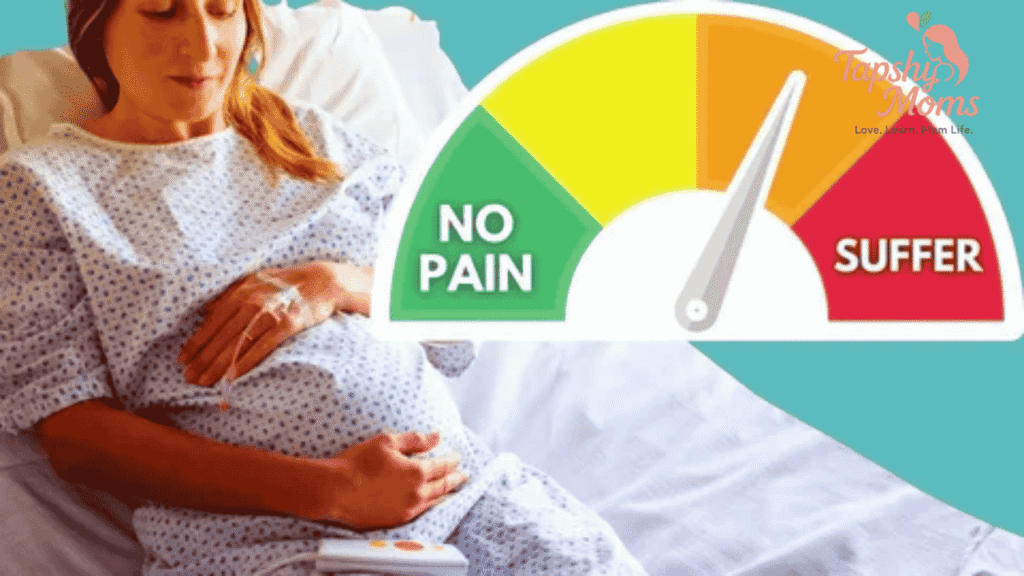
Epidural and Alternatives
- Epidural pros and cons: Epidurals offer powerful pain relief but may limit mobility and sometimes slow labor. It’s important to weigh both sides.
- Walking epidural: A lighter form of epidural that allows limited movement, making it easier to change positions.
- Epidural alternatives: Options like IV pain medication labor can provide relief, though they may affect alertness.
Other Medical Pain Relief Options
- Nitrous oxide for labor: Inhaled through a mask, it helps take the edge off contractions without affecting alertness.
- TENS machine for labor: Small electrical pulses applied to your back distract the brain from pain.
- Natural birth vs medicated: Both are valid paths—what matters most is your comfort, safety, and preferences.
Part 4: Broader Context — Beyond the Pain
Navigating Labor
- Stages of labor: Early labor, active labor, and pushing—the intensity increases, but so do the tools you can use.
- How to deal with contraction pain: Use a mix of breathing, movement, massage, or medication—whatever feels right in the moment.
- What helps with labor pain?: Water, touch, supportive words, medical options, and your own breath all play a role.
Practical Tips
- What to pack in hospital bag: Include cozy socks, snacks, lip balm, and comfort items like a favorite pillow or essential oils.
- Tips for a easier labor: Stay hydrated, change positions often, and keep your environment calm and supportive.
- Postpartum recovery: Labor doesn’t end with birth—healing, rest, and emotional support matter just as much in the weeks that follow.
Conclusion
Coping with labor pain is not about choosing a single “right” method—it’s about finding the combination that works best for you. Preparation, natural techniques, and medical options all have their place.
Remember: your body is strong, your options are valid, and your support system matters. Trust yourself, lean on your care team, and craft a plan that feels safe and empowering.
Take time now to discuss these strategies with your provider, so when the big day arrives, you feel prepared and supported every step of the way.
Frequently Asked Questions (FAQ)
What does labor pain feel like?
Labor pain is often described as strong cramping, tightening waves, or pressure in the back and pelvis. Every person’s experience is different.
How to have a natural birth?
Focus on preparation—practice breathing, explore natural pain relief labor techniques, and build a strong support team.
How to reduce pain during childbirth?
Consider a mix of movement, water therapy, massage, and medical options if needed.
What are the best ways to cope with contractions?
Breathing, massage, position changes, and even nitrous oxide for labor can all help.
Are there any pain-relief methods I should avoid?
Every option has pros and cons. Discuss with your provider which methods are safest for you and your baby.
When should I consider an epidural?
If pain becomes overwhelming or you’re too exhausted to continue without relief, an epidural can be an excellent option.